Sexting is a word in our modern lexicon born of the marriage between the words “sex” and “texting.” It means sending images, via cell phone or tablet, of children or teens that are inappropriate, naked or engaged in sexual acts.
Sometimes teens share the photographs voluntarily, but at other times teens may be coerced into taking or sending the photographs. Once the photos are sent, some kids use them to bully, harass, intimidate, or embarrass victims online or via mobile devices.
Sextortion involves children and teens being threatened and coerced into sending explicit images online, it is a crime.
Blue Campaign is a national public awareness campaign designed to educate the public, law enforcement, and other industry partners to recognize the indicators of human trafficking, and how to appropriately respond to possible cases. To request posters that raise awareness of Human Trafficking from the Blue Campaign, click here.

NCMEC has seen a dramatic increase in sextortion cases being reported to our CyberTipline, especially financial sextortion where the offender demands money from the child. Teenage boys have been the most common targets in these recent cases.
Review policies and handbook relating to AUP, digital communication and Internet abuse
Reporting is easy! If you come across something upsetting, or if anyone asks you to do something inappropriate or that makes you uncomfortable, please report the Snap. (KCSS Handout)
Family Pairing features let parents link their TikTok account to their teen’s to
enable a variety of content, privacy, and well-being settings. (KCSS Handout)
Sending sexually explicit messages, photos, or videos via cell phone, computer, or any digital device. Sexting may include photos and videos containing nudity or showing simulated or real sex acts. It also includes text messages that discuss or propose sex acts or other sexually explicit exchanges. (KCSS Handout)
Taking a picture of yourself and posting it has become a virtual phenomena. Celebs are doing it, athletes are doing it and the President is doing it! (KCSS Handout)
Sexual extortion, also known as sextortion, occurs when someone threatens another person – through violence, harm to reputation, or distribution of explicit material – with the intent to coerce them into unwanted actions. These actions may include engaging in sexual conduct, providing explicit content, providing money or valuables, or complying with demands against the victims’ will. These situations can cause significant emotional distress and place victims in dangerous situations. Many victims feel forced to comply because they are scared of the repercussions. (KCSS Handout)
Law Enforcement Can Subpoena “IP Addresses”. On Social Media Apps, when users agree to the terms of service an account is formed and information is logged. One piece of this information is a user’s IP address. (KCSS Handout)
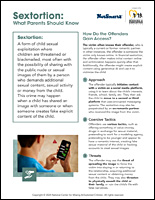
National Center for Missing & Exploited Children – Sextortion: A form of child sexual exploitation where children are threatened or blackmailed, most often with the possibility of sharing with the public nude or sexual images of them by a person who demands additional sexual content, sexual activity or money from the child. This crime may happen when a child has shared an image with someone or when someone creates fake explicit content of the child.
Kentucky Department of Education – Senate Bill 73 2025, related to sexual extortion, was passed during the 2025 legislative session and requires the district to provide the information about sexual extortion to help ensure that parents/guardians have the resources they need to support their student(s) and protect them from being victimized (KRS 531.125).
Sexual extortion, also known as sextortion, occurs when someone threatens another person – through violence, harm to reputation, or distribution of explicit material – with the intent to coerce them into unwanted actions. These actions may include engaging in sexual conduct, providing explicit content, providing money or valuables, or complying with demands against the victims’ will. These situations can cause significant emotional distress and place victims in dangerous situations. Many victims feel forced to comply because they are scared of the repercussions. On this page are sample letters that can be shared with parent/guardians as well as age-appropriate information for students.
Learn more
NetSmartz – Sextortion is a type of blackmail used by offenders to acquire additional sexual content from a child, coerce a child into engaging in sexual activity, or obtain money from a child. Children can sometimes become victims of sextortion after sexting with someone they thought they knew and trusted, but NCMEC analysis has found that children who are victims of sextortion are often targeted and blackmailed by an individual they met online. That person may use deceit, coercion, or another method to obtain a nude or sexual image of the child before blackmailing them for more.
NetSmartz – Learn why they do it and what to say about it.
National Center for Missing & Exploited Children – This service is one step you can take to help remove online nude, partially nude, or sexually explicit photos and videos taken before you were 18.
Common Sense Media – Most middle schoolers aren’t prepared for the risks associated with sexting and self-disclosure in relationships. As technology makes it easier than ever for kids to share photos digitally, the stakes have never been higher. In this video, your students can listen to other teens’ honest — and sometimes frank — thoughts about their experiences with sexting, then consider how they might react in similar situations.
U.S. Department of Homeland Security – Know2Protect is a national public awareness campaign developed by the Department of Homeland Security to educate and empower children, teens, parents, trusted adults and policymakers to prevent and combat online child sexual exploitation and abuse (CSEA); explain how to report online enticement and victimization; and offer response and support resources for victims and survivors of online child sexual exploitation and their supporters.
Common Sense Media – It’s natural for teens to be curious about their emerging sexuality. But most middle-schoolers aren’t prepared for the risks of exploring this in the digital age. Help students think critically about self-disclosure in relationships and practice how they’d respond to a situation where sexting — or a request for sexting — might happen.
Bark – Bark for Schools provides a world-class online safety solution for K-12 schools in the U.S. Our comprehensive solution comprises G Suite and Office 365 student account monitoring, Chrome/Chromebook monitoring, and a web content filter that categorizes and blocks harmful and inappropriate domains.
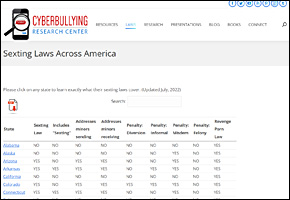
Cyberbullying Research Center (Sameer Hinduja, Ph.D. and Justin W. Patchin, Ph.D.) – This regularly updated fact sheet provides a brief overview and link to each of the state sexting laws.
FindLaw – Under both state and federal law, child pornography is illegal. In Kentucky, there are various laws that criminalize the creation, possession, distribution, and promotion of material that portrays sexual performances by minors.
Date Last Reviewed: October 2025